Musty Smell
Quick Response to Any Disaster
- 24/7 Emergency Response
- Expert Restoration Services
- Advanced Technology
- Customer-Focused Care
- Trusted & Reliable


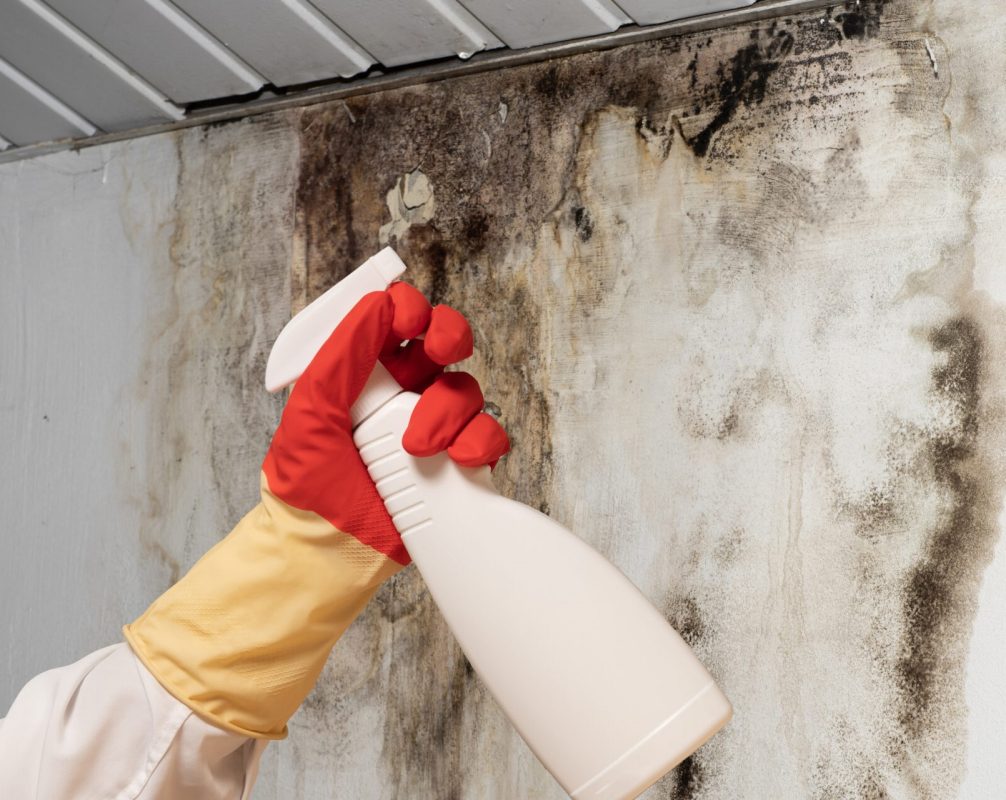
A persistent musty smell in a house often points to excess moisture and may indicate mold or mildew growth, including growth hidden behind walls, beneath flooring, or in other damp areas. The smell itself does not tell you exactly where the problem is or what type of mold may be present, but it is worth investigating rather than covering with an air freshener.
EPA explains that molds can release microbial volatile organic compounds, or mVOCs, that are associated with the familiar moldy or musty odor found in some damp buildings. EPA specifically says a moldy odor suggests mold growth may be present and should be investigated.
Sometimes the source is obvious: visible growth around a shower, damp carpet after a water leak, or a wet basement following heavy rain. Other times, the room smells musty even though no mold is visible.
That second situation deserves attention because mold can grow on hidden surfaces. EPA lists the backs of drywall and wallpaper, areas inside walls around pipes, the underside of carpet and padding, spaces above ceiling tiles, wall surfaces behind furniture, and some areas of ductwork among possible hidden locations.
CleanPro Restoration Services provides mold remediation, water damage restoration, water extraction, and reconstruction for qualifying properties in Morris, Illinois, and nearby communities. A musty odor after a broken pipe, refrigerator-line leak, dishwasher failure, storm, or other water event can be a reason to look more closely at which materials became wet and whether moisture remains.
A musty smell usually means there is a dampness problem somewhere nearby, and mold or other microbial growth may be involved.
People commonly describe the smell as earthy, stale, damp, moldy, or similar to wet cardboard or an old basement. The exact odor varies, so smell alone should not be used to identify a particular mold species.
EPA explains that some compounds produced during mold growth are volatile and quickly enter the air. These mVOCs can create strong or unpleasant odors commonly described as moldy or musty.
However, not every damp odor proves that visible mold is growing on the surface you are smelling.
Damp buildings can also contain bacteria, moisture-damaged materials, and other sources of volatile compounds. NIOSH notes that damp building conditions can support mold, fungi, and bacteria while also contributing to the breakdown of building materials.
For homeowners, the practical response is the same: find the moisture.
Look for leaking plumbing, recent water damage, condensation, damp carpeting, wet drywall, roof or window leaks, appliance leaks, or areas where humidity regularly stays high.
The odor is a clue that helps narrow the search.
“Mildew smell” and “mold smell” are often used to describe the same general musty or damp odor.
Mildew is not a completely separate category of organism. EPA uses the term mildew for certain types of mold, often associated with flatter surface growth. The odor itself cannot reliably tell you whether the fungal growth should be called mildew, mold, or a particular mold species.
A small amount of surface growth around a shower may produce a mild damp odor. A stronger musty smell throughout a room may be associated with a larger moisture problem or growth in an area that is not immediately visible.
The important difference is not the label attached to the odor. It is whether moisture is continuing to support fungal growth.
For a fuller comparison, see Mold vs Mildew: Differences, Black Mold Comparisons, and Treatment.
Musty odors often become strongest in places where moisture accumulates or materials have difficulty drying.
Basements can develop musty smells when moisture enters through plumbing problems, groundwater conditions, condensation, damp building materials, or previous water damage.
Carpet and padding can hold moisture below the visible surface. Drywall can also become damp near the floor without obvious standing water remaining in the room.
If a basement smells noticeably stronger after rain, check for damp walls, wet flooring, condensation, water stains, or areas where moisture has entered around the foundation or other building components.
A dehumidifier can help control high humidity, but it will not remove mold growing inside damaged materials.
Bathrooms routinely generate moisture from showers and baths. Without enough ventilation, water can collect on walls, ceilings, tile, grout, windows, and other surfaces.
EPA recommends using bathroom exhaust ventilation and keeping indoor humidity controlled to reduce conditions that support mold growth.
Check around tubs, showers, toilets, vanities, supply lines, caulk, window frames, and the ceiling above the shower.
A musty smell that keeps returning shortly after cleaning may indicate that the area stays damp for too long or that moisture extends farther than the visible surface.
Kitchens contain several potential sources of hidden water.
Dishwashers, refrigerators with water lines, sinks, supply lines, drains, and nearby plumbing can leak slowly before a homeowner sees obvious water damage.
A refrigerator-line leak may travel under flooring or cabinets. A dishwasher connection may wet the cabinet base or adjacent wall. Moisture behind or beneath these areas can produce a musty smell before visible mold becomes obvious.
Laundry rooms can have similar problems around washing-machine supply hoses, drains, utility sinks, or other plumbing.
These types of appliance and pipe losses are especially important because water can spread into concealed spaces while the visible floor looks relatively normal.
A musty bedroom or closet may have a different source.
Check exterior walls, windows, carpet edges, furniture placed tightly against cold walls, ceiling areas beneath a roof or upstairs bathroom, and storage items that may have become damp.
EPA notes that mold can develop on walls behind furniture where condensation occurs.
Closets can also have limited air movement, especially when they are densely packed. If a wall stays cool and humid indoor air repeatedly condenses on it, moisture may collect without a plumbing leak.
Moving furniture or stored items can sometimes reveal staining or growth that was previously hidden.
A musty smell near one section of wall or ceiling deserves a closer look, particularly if there has been a roof leak, plumbing problem, overflowing fixture, or previous water event nearby.
EPA identifies the backside of drywall, paneling, wallpaper, pipe chases, and roof materials above ceiling tiles as possible locations for hidden mold growth.
Watch for water stains, bubbling paint, peeling wallpaper, soft drywall, discoloration, swollen trim, or recurring moisture marks.
Do not start opening walls simply because they smell musty. Disturbing concealed mold can release spores and fragments into the surrounding space.
A musty odor that becomes more noticeable when heating or cooling starts may justify checking the HVAC system and surrounding areas.
Condensate pans, drain lines, damp insulation, and other moisture-prone components can develop problems if water is not draining correctly. EPA also identifies certain duct liners and air-handling components as possible locations for hidden moisture or mold.
That does not mean every musty HVAC smell proves there is mold inside the ductwork.
If contamination within the HVAC system is suspected, the equipment and moisture condition should be evaluated by an appropriate professional rather than simply spraying a deodorizer into the vents.
Start with the room where the odor is strongest, then work outward while looking for evidence of water or persistent dampness.
Smell can help narrow the search, but physical moisture clues are usually more useful.
Check for recent or active plumbing leaks, water stains, condensation, wet carpet edges, warped flooring, bubbling paint, damp cabinets, soft drywall, and discoloration around windows or ceilings.
Think about recent events as well.
Did a pipe break several weeks ago? Has the refrigerator water line leaked? Did the dishwasher overflow? Was there stormwater intrusion? Did a bathroom leak affect the room below?
Water does not always remain directly beneath the point where it entered. It can travel along framing, beneath flooring, through insulation, or behind drywall.
EPA notes that hidden mold should be suspected when a building smells moldy but the source cannot be seen, especially when there has already been a water problem.
A professional investigation may be useful when the suspected area cannot be accessed without disturbing building materials.
No. A musty smell is a warning sign of dampness or microbial activity, but smell alone does not prove that mold is present.
Moisture-damaged materials, bacteria, stagnant damp areas, and other indoor conditions can contribute to unpleasant odors.
The odor also cannot tell you whether the mold is black mold, Aspergillus, Penicillium, Cladosporium, or another type.
That is why the right first question is not “Which mold is this smell?”
It is “Where is the moisture coming from?”
When visible mold is found, CDC advises removing the growth and correcting the moisture problem.
If you want more detail about common household molds, see Types of Mold: Common Species Found in Homes.
Getting rid of a musty odor means dealing with the damp material or microbial growth producing it, not simply changing the smell of the air.
Start by correcting the moisture source. Repair leaking plumbing through the appropriate trade, stop exterior water entry, correct condensation problems, and remove standing or unwanted water.
Then determine which materials became wet.
Hard surfaces with small areas of mold may often be cleaned with detergent and water and dried completely. EPA advises that moldy absorbent materials such as carpet or ceiling tile may need replacement when they cannot be cleaned adequately.
Wet materials should be dried promptly. EPA and CDC guidance commonly uses a 24- to 48-hour window for addressing water-damaged materials because prolonged dampness increases the opportunity for mold growth.
Humidity control also matters. CDC recommends keeping indoor humidity no higher than about 50% when possible, while EPA commonly recommends below 60% and ideally around 30%–50%.
A dehumidifier or air conditioner can help lower humidity, but neither replaces cleanup when mold is already growing.
Once the moisture problem and affected materials have been handled, the musty smell should no longer need to be masked.
No. An air freshener can cover an odor temporarily, but it does not correct damp building materials, a leaking pipe, or mold growth.
The same applies to scented sprays, candles, plug-in fragrances, and other odor-masking products.
If the source continues producing the odor, the smell will return when the fragrance fades.
The better approach is to use the odor as a clue to locate moisture and determine whether materials need cleaning, remediation, or reconstruction.
A dehumidifier can help when excessive indoor humidity is contributing to the problem, but it will not remove established mold growth by itself.
Lowering humidity makes the indoor environment less favorable for future mold growth and can help damp materials dry.
EPA recommends keeping relative humidity below 60%, ideally between about 30% and 50% when practical. CDC recommends keeping household humidity no higher than about 50%.
If the odor comes from mold already growing behind drywall or beneath carpet, however, simply reducing the room’s humidity will not remove the contaminated material.
The source still needs to be found and addressed.
A persistent musty odor becomes more suspicious for hidden mold when the smell remains after surface cleaning, there has been previous water damage, or the odor is concentrated around walls, floors, ceilings, cabinets, or another concealed space.
EPA specifically says that a moldy odor without a visible source can justify suspicion of hidden mold.
Other clues can include:
Hidden growth should be approached carefully. EPA warns that disturbing concealed areas—for example, pulling wallpaper from a moldy wall—can release a large amount of spores if growth is present underneath.
When investigation would require opening building materials or when a larger water loss preceded the odor, professional help may be the better option.
Not automatically.
If obvious mold growth is visible, EPA generally says sampling is unnecessary. The practical priorities are cleaning up the growth and correcting moisture.
When there is only an odor and no visible source, finding the moisture problem can often be more useful than immediately ordering an air sample.
NIOSH reports that visual inspections and identifying musty odors can be more useful for assessing dampness and mold conditions than relying on short-term air sampling alone.
Specialized testing can still have a role in selected situations, but a musty smell by itself does not mean every property needs laboratory analysis.
The first task is finding where the building is damp.
A musty smell itself should not be used to diagnose a health condition.
What matters medically is the environment behind the odor.
CDC reports that spending time in damp or moldy buildings has been associated with respiratory symptoms, worsening asthma, allergic rhinitis, eczema, and other health problems. Some people may experience no symptoms, while others—particularly people with mold allergies or asthma—can react more strongly.
EPA notes that the health effects of inhaling the specific mVOCs responsible for moldy odors are still not well established. This is another reason not to claim that the smell itself proves a specific illness.
Anyone experiencing persistent breathing problems, significant allergic symptoms, or other health concerns should speak with a healthcare professional.
The property issue can then be handled separately by locating and correcting moisture and dealing with affected materials.
Professional mold remediation becomes more reasonable when the musty odor persists, the source cannot be found, visible mold covers a larger area, building materials have been damaged by water, or growth is suspected behind walls or beneath flooring.
EPA notes that investigating hidden mold can be difficult and may require a professional experienced with water- and mold-damaged buildings.
The same is true after a more substantial water event.
A burst pipe, appliance leak, or storm-related water intrusion can affect drywall, insulation, flooring, trim, and other materials beyond the area that first looked wet.
CleanPro provides mold remediation along with water extraction, water damage restoration, and reconstruction for qualifying properties. When a musty smell follows a water loss, the property may need more than odor treatment alone.
Mold can grow in concealed locations such as behind drywall, beneath carpet, around leaking pipes, behind furniture, or above ceilings. EPA says a moldy odor without a visible source can be a reason to investigate for hidden mold.
It can. Mildew is a term commonly used for certain fungal growth, and both mold and mildew can be associated with musty odors. However, smell alone does not prove the exact source or identify a mold species.
Yes, when the material or moisture condition producing the odor can be corrected. Simply masking the smell is temporary. Fix leaks, control humidity, clean or remove affected materials, and allow damp areas to dry.
Rain can expose roof, window, foundation, drainage, or exterior water-entry problems that are not obvious during dry weather. If the odor consistently increases after rain, inspect the area for moisture, staining, damp materials, and other signs of water intrusion.
A recurring odor usually means the moisture or affected material has not been fully dealt with. Common possibilities include an ongoing leak, recurring condensation, damp carpeting or padding, concealed water damage, or mold growth in an inaccessible area.
A persistent musty or mildew smell should be treated as a moisture clue, not simply an odor problem.

CleanPro Restoration Services provides mold remediation, water damage restoration, water extraction, and reconstruction for qualifying properties in Morris, IL, and nearby communities within about a 35–40 mile radius, including Plainfield, Shorewood, Joliet, and Naperville.
If the odor appeared after a pipe break, refrigerator-line leak, dishwasher failure, storm, or another water loss, finding where the moisture traveled is especially important.
Call CleanPro Restoration Services at (833) 588-2776 to discuss mold remediation or water-damage restoration for your property.